Forward-looking user demand insight, precision and seek to grasp and even guide customer demand, is the premise of sustainable growth and innovative development of enterprises, directly affecting the competitive advantage of enterprises. For how to describe the fuzzy feeling in customers' mind in a precise way and provide direction for product development, Chen Wu, senior product manager of Anronjer, summarizes the following points:
01 Form a cross-departmental demand research team
Employees from different departments will understand customer demands from different angles, understand the value of the product for the customers and the society, and understand the reason why the company has strict control over the quality. The formation of cross-departmental teams, the participation of different departments in the demand insight, different perspectives will also be on the customer's description from different angles to do in-depth interpretation.
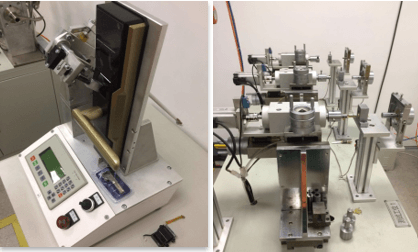
02 Adopting Rapid Innovation Week (RIW) to Understand Customer Needs
Rapid Innovation Week (RIW) helps to bridge the communication gap between departments. As each department comes into contact with different customer demands, and each person's understanding and solution to customer feedback issues and customer demands may differ, RIW not only creates a positive atmosphere, promotes each department's overall understanding of customer demands and customer usage habits, but also systematically sorts out and analyzes the demand information based on the idea of problem solving, stimulates the collision of ideas, and encourages innovation.
03 Systematic training for the research team
In order to enhance team members' knowledge and understanding of the research objectives more, the product department has planned the training contents systematically, including how to conduct research and analysis, technology, market and customer knowledge. In the training, online and offline are combined, combining the demonstration of product application scenarios, technology trends and customer needs.
04 Focus on strategic target vertical markets for thematic research
The company operates in many vertical markets such as transportation, residential, commercial, hospitality, hospitals, schools, industrial, and energy. According to the economic development and the company's strategic needs, the team will develop topics for in-depth research and issue research reports. For specific vertical markets, customer needs are categorized and managed in layers, and unmet customer needs are continuously tracked.
05 Emphasize the applicability of research methods
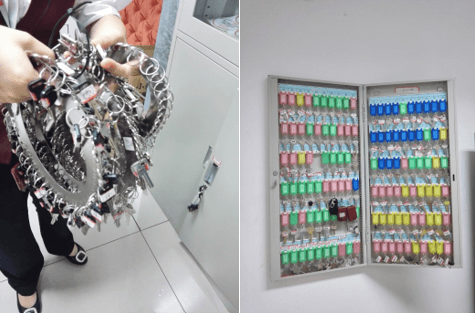
The use of appropriate research methods and technical tools ensures the validity of the results. Research usually uses a combination of situational interviews and fieldwork. Situational interviews are often used to understand the types of needs for different purposes in different scenarios, so as to differentiate the pain points of product usage. Fieldwork is to go to the office or the site to actually use the product and observe the problems that occur in the use of the product. For example, through the subway field trip, we learned some special demands: there are too many mechanical keys in the subway station (Figure 1), which is very troublesome to use, and we propose improvement measures.
06 Customer Category Management and Study Design
Organizational sourcing has different dimensions of needs, and the deeper and more comprehensive the understanding of the actual needs of the various stakeholders involved in a major customer, the better the needs of the major customer can be met. In the case of metro, for example, there are different demand points provided by the research subjects, such as integrators, design institutes, metro builders and operators, and the application of customer classification management allows for more customized and modular access tools to be used in the research.
07 Turning Reactive into Proactive, Guiding Demand
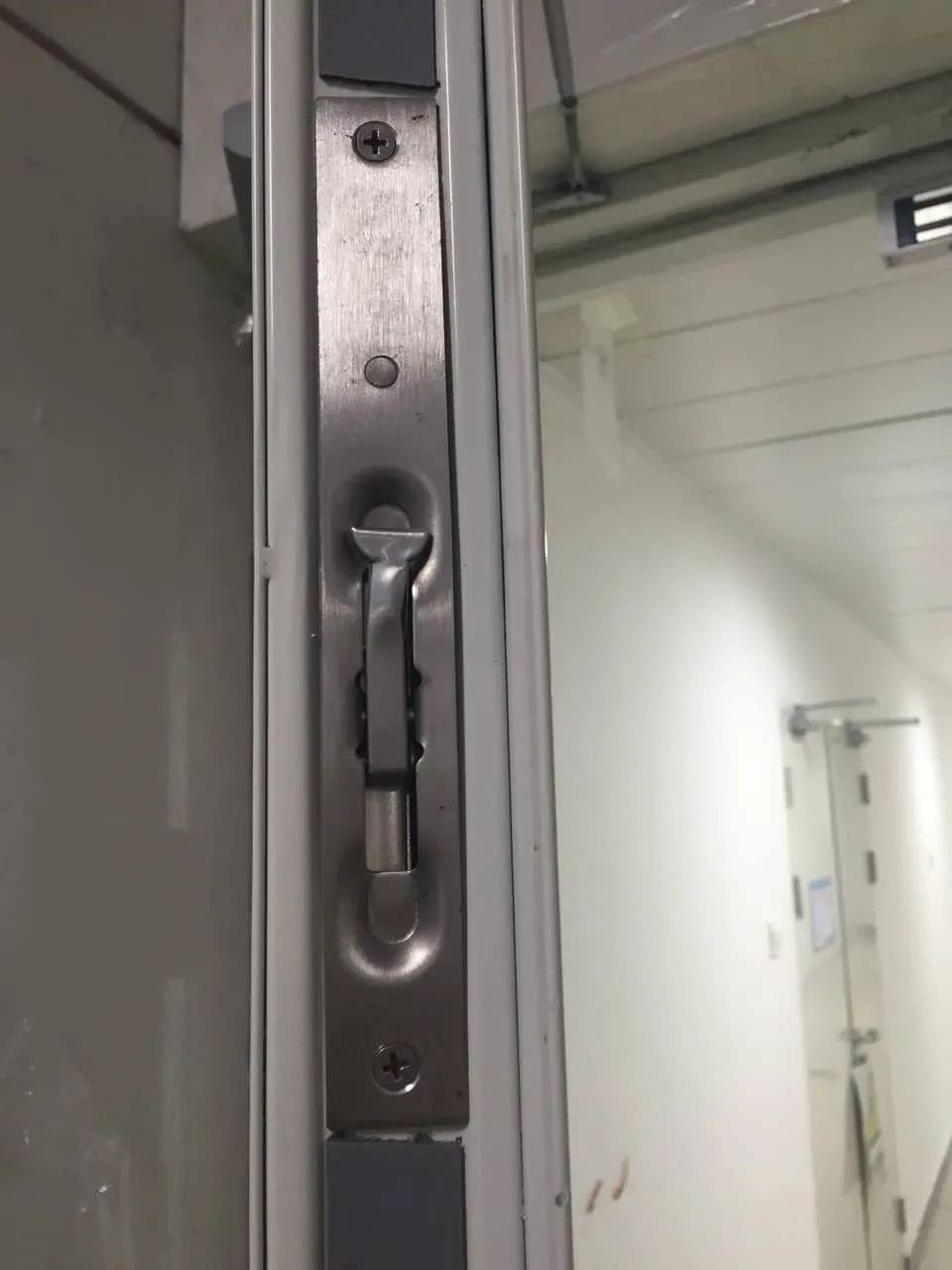
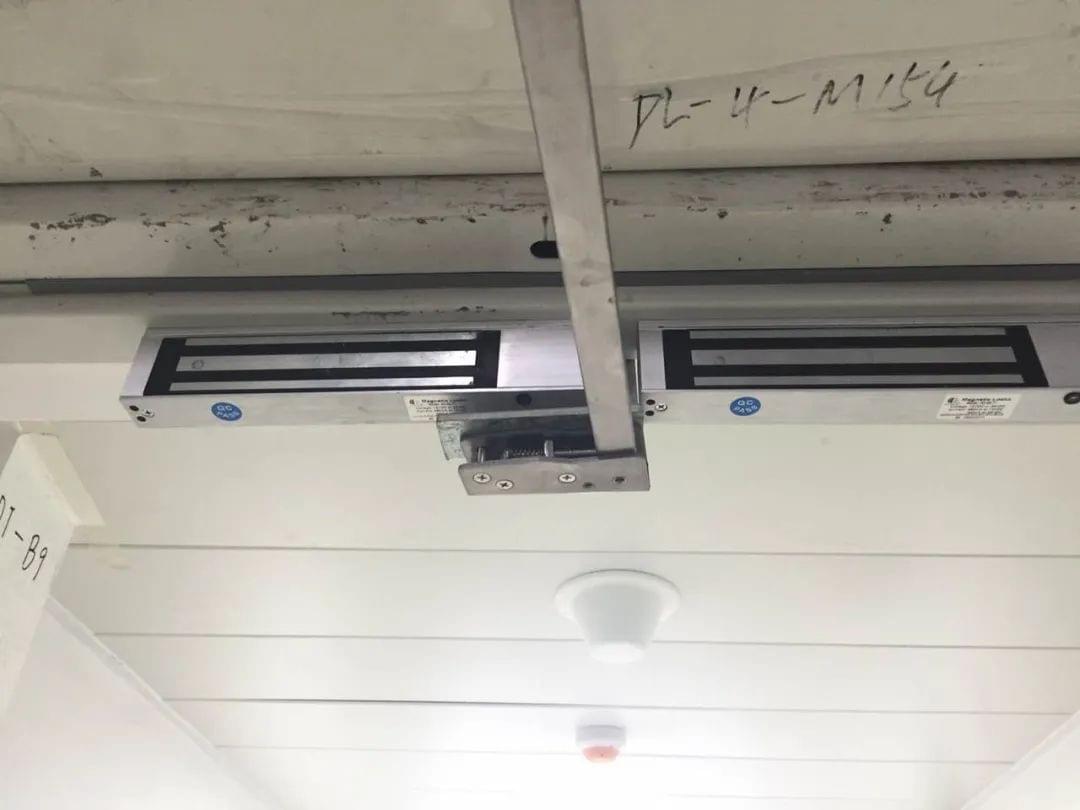
We have been asking our colleagues to go to the field more often to proactively understand customer pain points, replacing passively getting information from complaints. Taking the initiative to help customers dig into renewals can build better relationships with customers, and on the other hand, it can also provide a more comprehensive understanding of customers' potential expectations. In the field, put yourself in the customer's shoes to feel the needs, such as the damage of the latch (Figure 2), or the double-door magnetic lock installation and the paracord may come across (Figure 3) and other issues.
08 Include customers in knowledge-sharing platforms
Regularly update knowledge-sharing platforms so that employees can access key information at any time and address relevant issues in a timely manner. For content related to customers, incorporate customers into the knowledge sharing platform for joint learning. Regularly take the initiative to visit customers, communicate with industry technology dynamics, share industry research results or conduct new investigations and studies, and share industry pain points and best solutions to customers in a timely manner.
Background Information
Allegion
Product innovation and quality assurance are the fundamentals for enterprises to stand in the fierce competition. With the concept of Operational Excellence Management, continuous improvement as a culture permeates every step of the process, from identifying customer needs, new product development, supplier management, testing, inspection, and customer service.
In July 2016, Anritsu was awarded the Outstanding Brand Image Award at the 5th China Finance Summit, while Mr. Yu Feng, Global Vice President and President of Asia Pacific Region of Anritsu, was awarded the 2016 (Industry) Influential Person at the 5th China Finance Summit.
This series of interviews was initiated by the Lean Six Sigma Council, inviting a number of the company's project leaders to share how they lead their teams to achieve self-improvement and pursue excellence in quality management.
About Allegion: Allegion (NYSE: ALLE), a global seamless access pioneer headquartered in Dublin, was founded on December 2, 2013 and listed on the New York Stock Exchange on December 9, 2013 in the United States. Focusing on the security of doors and surrounding areas, Allegion creates solutions for homes, businesses, schools and other organizations dedicated to protecting people and property.